Metart 25 01 21 Sophie Lix Girl Next Door Xxx 4 Verified
As of , several key shifts in popular media and entertainment have influenced how platforms like MetArt engage with their audiences: 1. The Rise of "Authentic" Visual Media
The phrase "MetArt 25 01" refers to a specific adult entertainment release from the platform
Entertainment content is no longer a one-way street. Historically, popular media was defined by "The Big Three"—television, film, and radio. Today, the 25 01 designation represents a shift toward a . Content creators are now tasked with producing media that is not only visually stunning but also interactive and cross-platform. Why "25 01" Matters in Metadata
METART 25 01: The Intersection of Entertainment Content and Popular Media
MetArt 25 01 embodies the fusion of art and technology, giving rise to new forms of creative expression. This convergence has led to the development of innovative storytelling methods, enabling artists to push the boundaries of traditional entertainment content.
Do you need a breakdown of how use metadata tracking codes? Share public link
MetArt 25-01: Entertainment Content and Popular Media The entertainment industry is undergoing an unprecedented shift toward niche digital curation, self-reflective artistic spaces, and direct-to-consumer premium platforms. Within the broader discourse of digital media analysis, terms like encapsulate specific modern trends where traditional distribution frameworks intersect with specialized aesthetic landscapes. From independent creative portals to mainstream pop culture structures, understanding how specialized media behaves is crucial to grasping the future of commercial entertainment.
Standardized titles, tags, and actor logs tracked via global identifiers.
In an era where online content creators are constantly seeking to stand out, Sophie Lix's unique blend of vulnerability and confidence is a breath of fresh air. Whether you're a longtime fan or just discovering her, one thing is certain – Sophie Lix is a talent worth keeping an eye on.
In today's digital age, personal branding has become an essential tool for individuals looking to make their mark online. Sophie Lix's journey is a prime example of how one can cultivate a distinct persona and leverage it to build a loyal community. Her approachability, combined with a keen understanding of her audience's interests, has enabled her to curate content that resonates.
With the rise of 4K and 8K resolution, "entertainment" is now synonymous with "visual excellence."
Here you can find links to several designs which I have created.
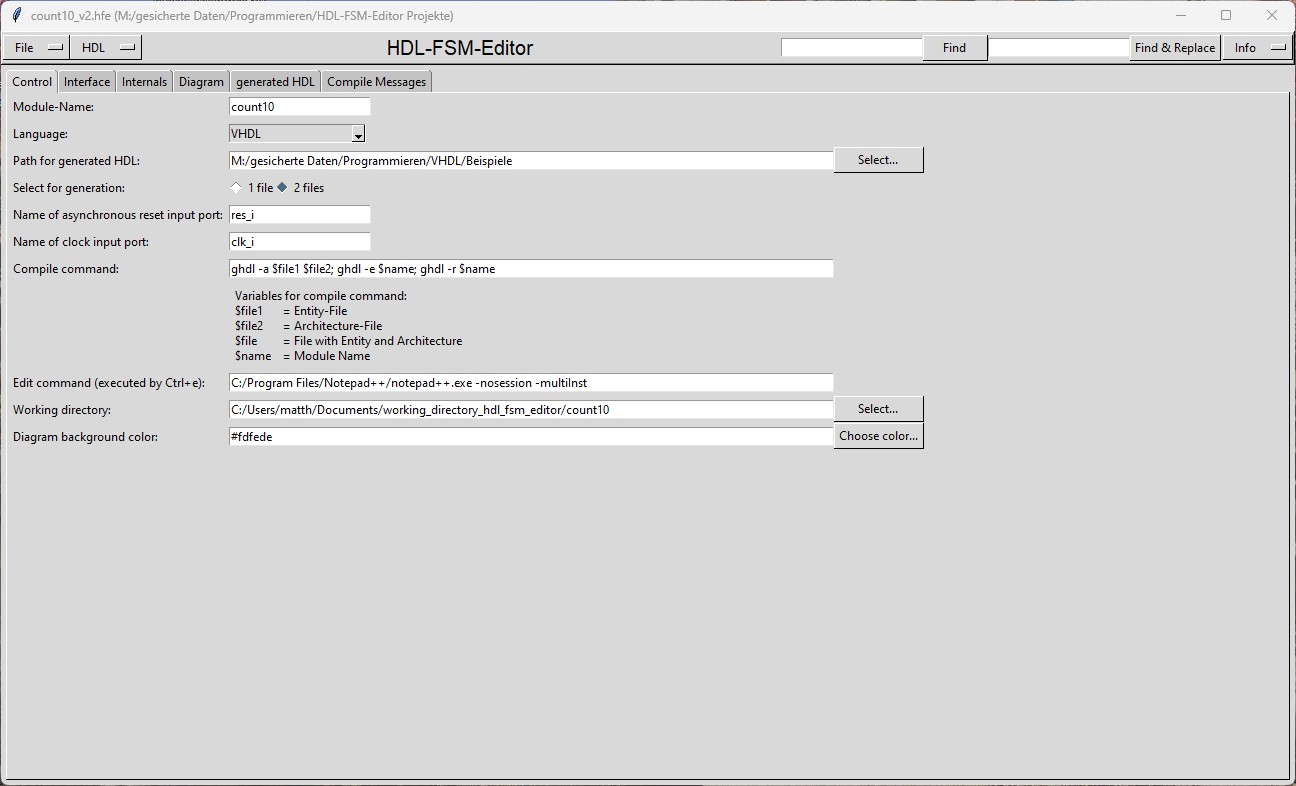
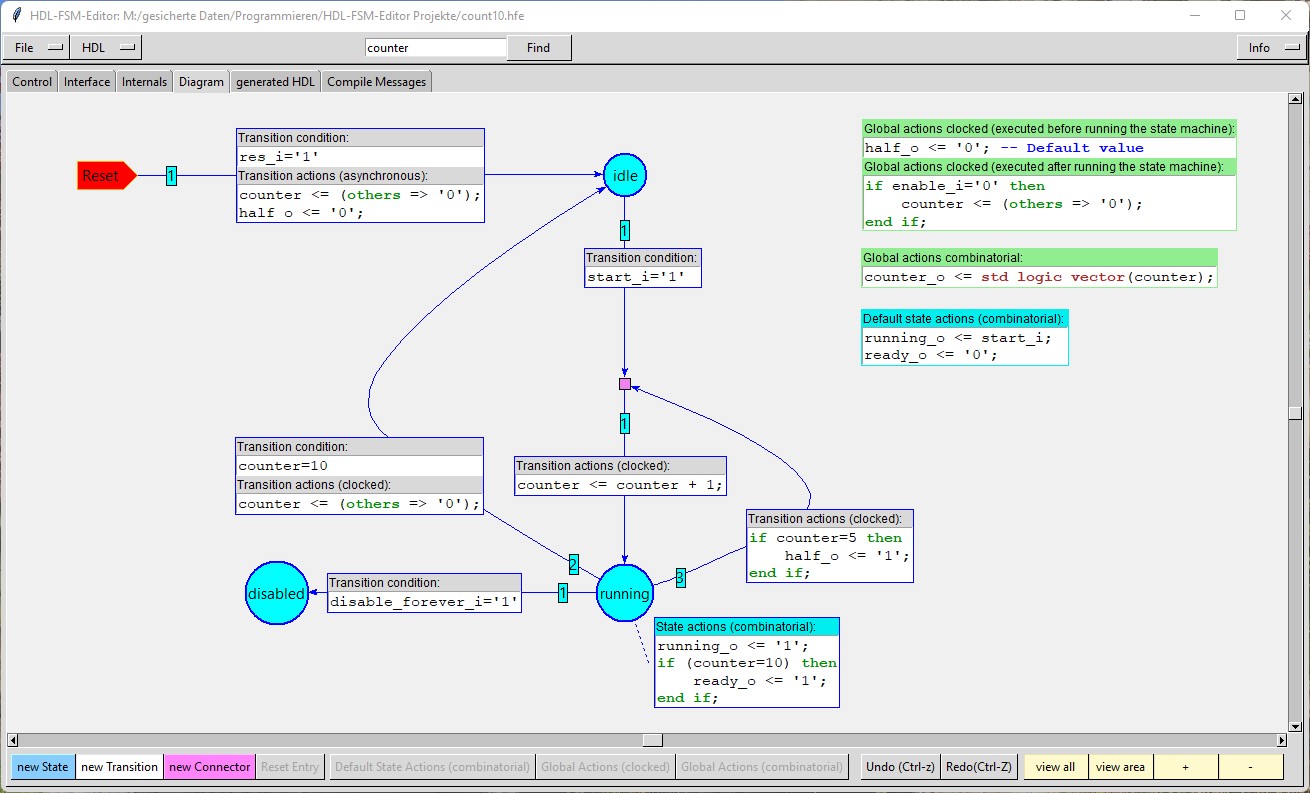
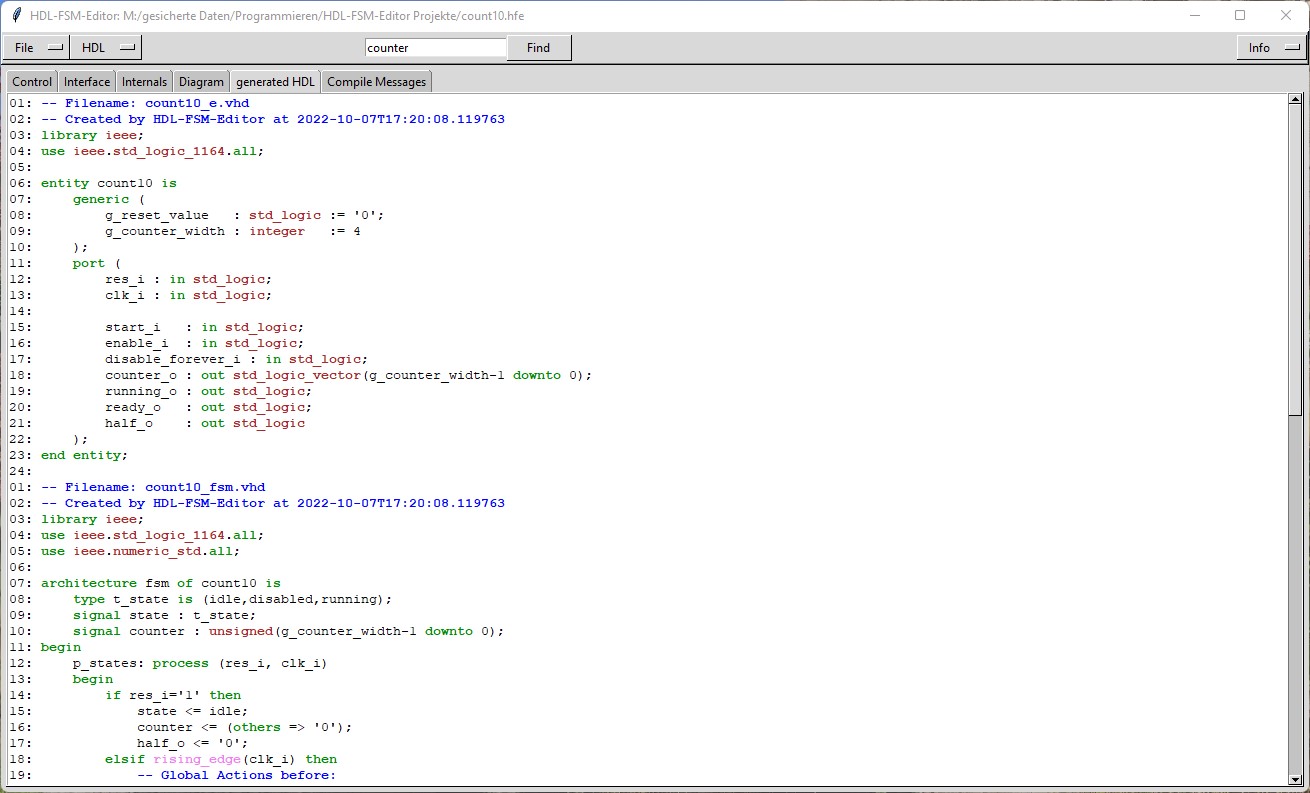
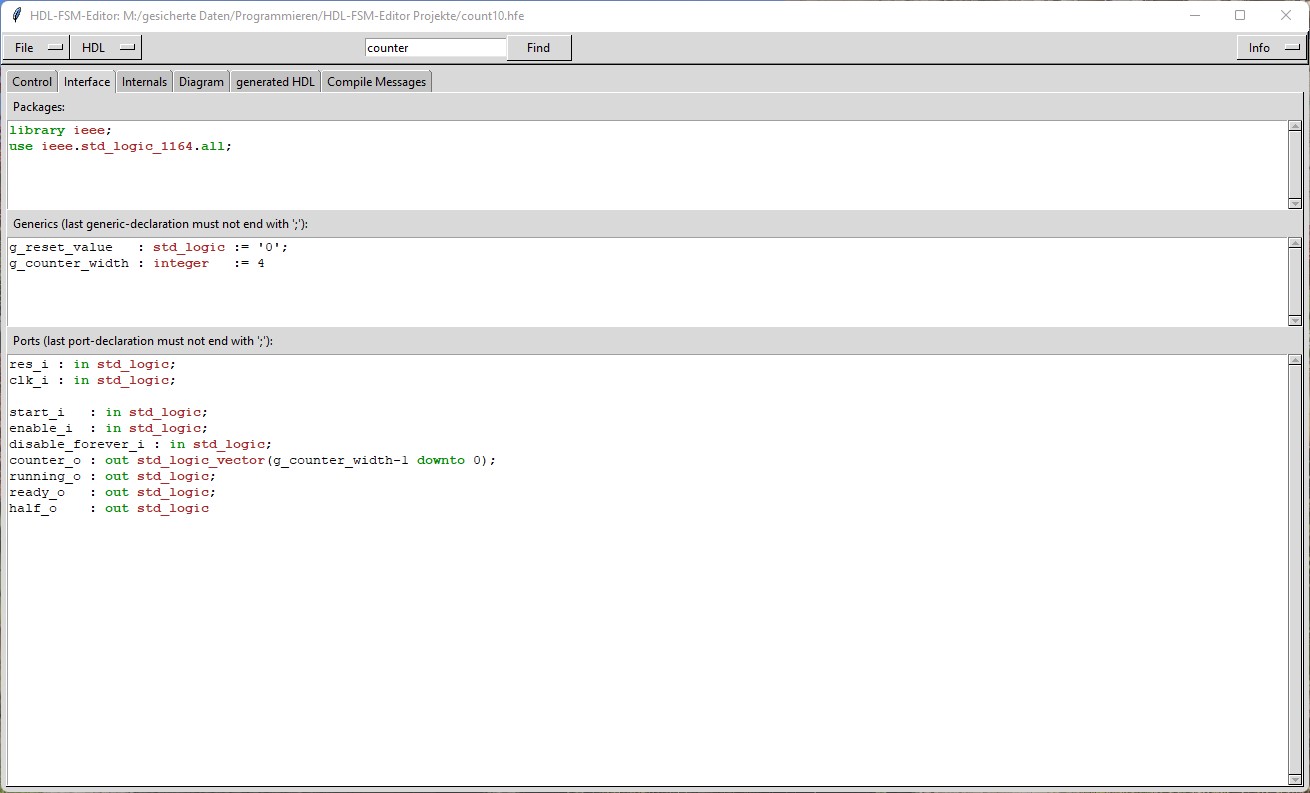
All designs are created by HDL-SCHEM-Editor and HDL-FSM-Editor and all designs are based at VHDL (only for division also Verilog is available).
By the link you will find all the needed source-files for both tools and also the generated VHDL/Verilog-files.
- Cordic module
- multiplication module
- multiplication module with carry-save adders (CS)
- multiplication module with signed digit adders (SD)
- multiplication module with binary stored-carry adders (BSC)
- multiplication module with Wallace tree (WT)
- multiplication module with Wallace tree and Booth encoding (WT_BOOTH)
- Karatsuba multiplication module
- division module
- division module at signed numbers
- SRT division module
- square module
- Cordic square-root module
- square-root module
- Uart
- Fifo
- clock-divider module
- AHB Multi-Layer Bus
- AHB to APB bridge
1. The Cordic module "rotate":
- The module "rotation" can rotate vectors by a given angle (Cordic rotation mode) or to the x-axis (Cordic vectoring mode).
- The module "rotation" can be configured by generics which define the number of bits of all the operands and which define the latency of the module (in clock cycles).
- The module "rotation" can be used to calculate the sine or cosine of an angle.
- The module "rotation" can be used to convert cartesian coordinates into polar coordinates and vice versa.
2. The multiplication module "multiply":
- The module "multiply" multiplies signed numbers.
- The module "multiply" can be configured by generics which define the number of bits of all the operands and which define the latency of the module (in clock cycles).
- The module "multiply" has an architecture "struct" which implements the classic written multiplication algorithm.
- The module "multiply" has an architecture "fpga" which uses the VHDL multiplication operator.
3. The multiplication module "multiply_cs":
- The module "multiply_cs" uses "carry-save" adders for a carry propagation not to the next bit but to the next addition.
- The module "multiply_cs" multiplies signed numbers.
- The module "multiply_cs" can be configured by generics which define the number of bits of all the operands and which define the latency of the module (in clock cycles).
4. The multiplication module "multiply_sd":
- The module "multiply_sd" uses "signed digit" adders for a carry propagation only to the next digit.
- The module "multiply_sd" multiplies signed numbers (internally coded with a redundant number system with radix 4).
- The module "multiply_sd" can be configured by generics which define the number of bits of all the operands and which define the latency of the module (in clock cycles).
5. The multiplication module "multiply_bsc":
- The module "multiply_bsc" uses "binary stored-carry" adders for a fast limited carry propagation.
- The module "multiply_bsc" multiplies signed numbers.
- The module "multiply_bsc" can be configured by generics which define the number of bits of all the operands and which define the latency of the module (in clock cycles).
6. The multiplication module "multiply_wt":
- The module "multiply_wt" uses a Wallace tree for a very fast product calculation.
- The module "multiply_wt" multiplies signed numbers.
- The module "multiply_wt" can be configured by generics which define the number of bits of all the operands and which define the latency of the module (in clock cycles).
- The module "multiply_wt_booth" uses Booth encoding with radix-4 conversion to reduce the number of partial products.
- The module "multiply_wt_booth" uses a Wallace tree for a very fast product calculation.
- The module "multiply_wt_booth" multiplies signed numbers.
- The module "multiply_wt_booth" can be configured by generics which define the number of bits of all the operands and which define the latency of the module (in clock cycles).
8. The Karatsuba multiplication module "multiply_karatsuba":
- The module "multiply_karatsuba" multiplies signed numbers.
- The module "multiply_karatsuba" can be configured by generics which define the number of bits of all the operands.
- The module "multiply_karatsuba" has an architecture "struct" which implements the Karatsuba multiplication algorithm.
- The module "multiply_karatsuba" has an architecture "mul_operator" which uses the VHDL multiplication operator.
9. The non restoring division module "division":
- The module "division" calculates quotient and remainder from signed dividend and signed divisor.
- The signs are removed before an unsigned division is executed and added afterwards.
- The module "division" is available as VHDL and as Verilog design.
- The module "division" can be configured by generics which define the number of bits of all the operands and which define the latency of the module (in clock cycles).
- The module "division" uses a non restoring division algorithm.
10. The non restoring division module "division_signed":
- The module "division_signed" calculates quotient and remainder from signed dividend and signed divisor.
- In contrary to the module division the signs are not removed before the division is executed.
- This leads to a quotient which is not coded as binary number with the bit weights 0 or 1,
but as a number with bit weights +1 or -1. After the division this number is converted into a binary number.
- After the conversion the quotient and the remainder are fixed in some cases.
- The module "division_signed" can be configured by generics which define the number of bits of all the operands and which define the latency of the module (in clock cycles).
- The module "division_signed" uses a non restoring division algorithm.
- The module "division_srt_radix2" calculates quotient and remainder from signed dividend and signed divisor.
- The module uses the SRT algorithm to make fast divisions possible even at operands which have a large number of bits.
- As a radix2 SRT algorithm is used the quotient is first not coded as binary number with the bit weights 0 or 1,
but as a number with bit weights -1, 0 or +1. After the division this number is converted into a binary number.
- The module "division_srt_radix2" can be configured by generics which define the number of bits of all the operands and which define the latency of the module (in clock cycles).
12. The square module "square":
- The module "square" calculates the square from a signed operand.
- The module is faster and smaller than the multiply module.
- The module "square" can be configured by generics which define the number of bits of the operand and which define the latency of the module (in clock cycles).
13. The Cordic square-root module "cordic_square_root":
- The module "cordic_square_root" calculates the root from an unsigned radicand by using the Hyperbolic Cordic algorithm.
- The module "cordic_square_root" determines not only the integer bits of the root, but also the same number of bits after the binary point.
- The module "cordic_square_root" can be configured by generics which define the number of bits of the operand and which define the latency of the module (in clock cycles).
14. The square-root module "square_root":
- The module "square_root" calculates the root from an unsigned radicand by an exact algorithm.
- When no root bits after the binary point are needed, then the module "square_root" needs the same number of iterations as the module "cordic_square_root".
Otherwise the module requires twice the number of iterations and also approximately twice as many resources.
- The module "square_root" can be configured by generics which define the number of bits of the operand and which define the latency of the module (in clock cycles).
15. The Uart module "uart":
- The module "uart" transfers data by the universal asynchronous receiver/transmitter protocol.
- The module "uart" uses a clock divider which can divide by non integer numbers.
- The module "uart" can be configured by generics which define the number of bits of the data and other behaviour of the module.
16. The Fifo module "fifo":
- The module "fifo" stores data according to the "first-in, first-out" principle.
- The module "fifo" can be configured by generics which define the number of bits of the data and the depth of the Fifo.
17. The clock-divider module "clock_divider":
- The module "clock_divider" creates a new clock with an integer or a non-integer multiple of the incoming clock period.
- The module "clock_divider" can be configured by generics which define the number of bits of the configuration inputs.
18. The AHB Multi-Layer Bus module "ahb_multilayer":
- The module "ahb_multilayer" is a generic AHB Multi-Layer Bus which connects several AHB masters to several AHB slaves.
- The module "ahb_multilayer" can be configured by generics which define the number of masters and slaves and some other properties.
19. The AHB to APB bridge module "ahb_apb_bridge":
- The module "ahb_apb_bridge" is a generic bridge module, which connects one AHB master to several APB slaves.
- The module "ahb_apb_bridge" can be configured by generics which define the number of APB slaves and some other properties.
As of , several key shifts in popular media and entertainment have influenced how platforms like MetArt engage with their audiences: 1. The Rise of "Authentic" Visual Media
The phrase "MetArt 25 01" refers to a specific adult entertainment release from the platform
Entertainment content is no longer a one-way street. Historically, popular media was defined by "The Big Three"—television, film, and radio. Today, the 25 01 designation represents a shift toward a . Content creators are now tasked with producing media that is not only visually stunning but also interactive and cross-platform. Why "25 01" Matters in Metadata
METART 25 01: The Intersection of Entertainment Content and Popular Media
MetArt 25 01 embodies the fusion of art and technology, giving rise to new forms of creative expression. This convergence has led to the development of innovative storytelling methods, enabling artists to push the boundaries of traditional entertainment content.
Do you need a breakdown of how use metadata tracking codes? Share public link
MetArt 25-01: Entertainment Content and Popular Media The entertainment industry is undergoing an unprecedented shift toward niche digital curation, self-reflective artistic spaces, and direct-to-consumer premium platforms. Within the broader discourse of digital media analysis, terms like encapsulate specific modern trends where traditional distribution frameworks intersect with specialized aesthetic landscapes. From independent creative portals to mainstream pop culture structures, understanding how specialized media behaves is crucial to grasping the future of commercial entertainment.
Standardized titles, tags, and actor logs tracked via global identifiers.
In an era where online content creators are constantly seeking to stand out, Sophie Lix's unique blend of vulnerability and confidence is a breath of fresh air. Whether you're a longtime fan or just discovering her, one thing is certain – Sophie Lix is a talent worth keeping an eye on.
In today's digital age, personal branding has become an essential tool for individuals looking to make their mark online. Sophie Lix's journey is a prime example of how one can cultivate a distinct persona and leverage it to build a loyal community. Her approachability, combined with a keen understanding of her audience's interests, has enabled her to curate content that resonates.
With the rise of 4K and 8K resolution, "entertainment" is now synonymous with "visual excellence."