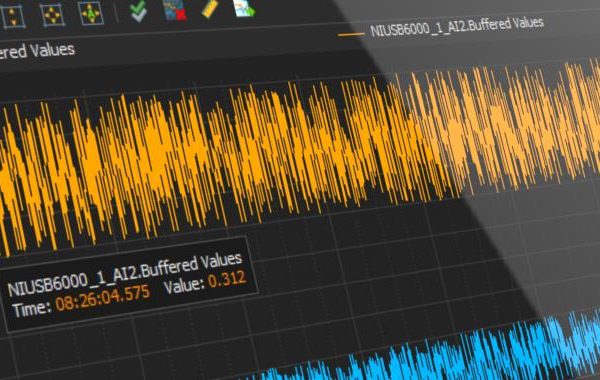
CETONI Elements now supports precision scales
CETONI8. June 2021
The book breaks down metal detection into three primary technologies. A large portion of the text is dedicated to explaining the circuitry (schematics) and physics of each:
The book details several metal detector topologies and advanced techniques:
Metal detecting has always attracted a mix of hobbyists, treasure hunters, historians, and conspiracy-minded collectors. Among the obscure threads that wind through that community is a repeatedly shared, oddly titled file: “Inside the Metal Detector — George Overton Carl Moreland.pdf.” Whether you’ve seen it pop up in online forums, file-sharing sites, or in the inbox of someone who swears it’s a must-read, the file’s reputation outstrips what most readers actually know about its contents. This article unravels the folklore, people, and themes surrounding that PDF—what it likely contains, why it fascinates niche audiences, and what its existence says about subculture archives in the digital age. The book breaks down metal detection into three
The article-length PDF and printed versions of this book cover several critical areas of electronics and physics:
Amazon and specialized electronics stores frequently stock physical copies, which are highly recommended for the high-resolution schematic diagrams. This article unravels the folklore, people, and themes
: Often found as a ~280-page reference focused on classic analog designs.
Uses a single coil (or dual-coil setup) to transmit powerful, brief magnetic pulses. Uses a single coil (or dual-coil setup) to
"Inside the Metal Detector" is the gold standard for anyone serious about understanding the technology. We highly recommend supporting the authors by using a legitimate source, which ensures you have the best quality material to guide your metal detecting journey.
"Inside the Metal Detector" by George Overton and Carl Moreland is an invaluable resource for anyone interested in metal detecting. The book's comprehensive coverage, clear explanations, and practical advice make it an essential guide for both beginners and experienced detectorists. While some sections may feel dated, the authors' expertise and enthusiasm shine through, making this guide a worthwhile read.
The authors deliberately steered clear of a "dry academic text full of equations." Instead, they wrote in a "relaxed, conversational style" to make complex topics accessible to a wide range of readers, including those who may not be native English speakers. The result is a resource that is both deeply informative and surprisingly readable. As one expert put it, it "reveal[s] the inside secrets of the metal detector industry".
 CETONI Elements now supports precision scales
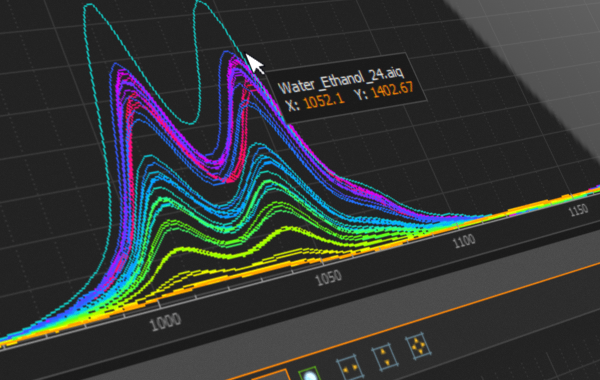 New features and improvements in Qmix Elements