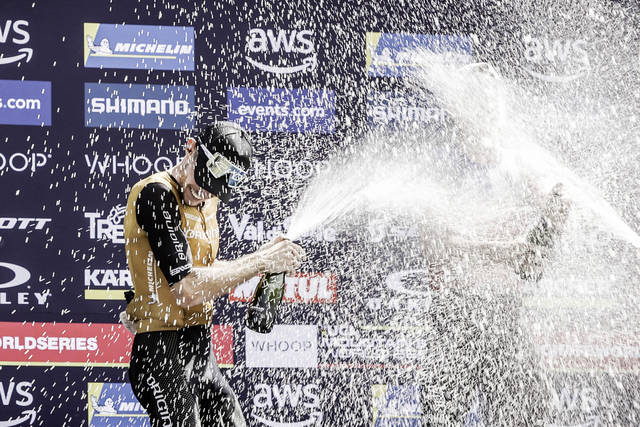
REDBULL RAMPAGE 2025
Robin Goomes 1st & Thomas Genon 2nd
Today, modern cinema reflects a much more nuanced reality. As societal structures shift, filmmakers are moving away from these outdated tropes. Instead, they are exploring the complex, messy, and deeply rewarding dynamics of the modern stepfamily. This evolution in storytelling provides a vital mirror for contemporary audiences, validating the unique challenges and triumphs of blended family life. From Wicked Stepmothers to Real Relationships
Modern cinema, however, has radically evolved. Today’s films no longer treat blended families as a problem to be solved, but as a complex, messy, and often beautiful reality to be explored. Contemporary filmmakers use the blended family as a dynamic canvas to examine themes of grief, loyalty, identity, and the very definition of kinship in the 21st century.
For decades, the cinematic shorthand for a blended family was chaotic comedy. Think The Parent Trap (identical twins plotting to reunite divorcees) or Yours, Mine & Ours (a naval officer and a hippie merging their massive broods). These films treated the "step-family" as a situation to be resolved—a chaotic mess that could be fixed with a wacky scheme, culminating in a neat, happy ending.
By prioritizing the child's internal world, modern directors show that blending a family is not a singular event, but a continuous, years-long psychological adjustment for the youth involved. The Shared Room: Step-Sibling Chemistry
These movies often focus on the challenges and complexities of blending two families, including issues of identity, loyalty, and communication. They also highlight the emotional struggles that come with forming a new family unit, such as navigating relationships between step-siblings, step-parents, and biological parents.
For decades, Hollywood had a simple formula for the blended family: wicked stepparents, resentful step-siblings, and a saccharine ending where everyone finally hugs after a minor crisis. Think The Parent Trap (1998) or Yours, Mine & Ours (1968).
Older cinema often relied on the "Instant Family" myth—the idea that once the parents married, the kids would instantly bond, and the hurdles would be merely logistical (who gets the bathroom first?).
Similarly, Knives Out (and its sequel Glass Onion ) deconstructs the financial and emotional parasitism that can exist in blended wealth. The Thrombeys are a blended, extended mess of step-children and grandchildren fighting for inheritance. While satirical, it highlights a very modern anxiety: When families merge, who gets a seat at the table? Who is "in" and who is "out"?
If the source is not an official or highly reputable platform, avoid downloading the archive. Use Protection: If you have already downloaded it, do not extract it . Run it through a service like VirusTotal to check for hidden threats. Check Extensions:
Explore the of how these tropes shifted from the 1950s to today. Share public link
Don’t force the word "brother" or "sister." Let kids define the relationship themselves. "Housemate" is a valid first step. Shared chores and shared laughter come before shared blood.
















Today, modern cinema reflects a much more nuanced reality. As societal structures shift, filmmakers are moving away from these outdated tropes. Instead, they are exploring the complex, messy, and deeply rewarding dynamics of the modern stepfamily. This evolution in storytelling provides a vital mirror for contemporary audiences, validating the unique challenges and triumphs of blended family life. From Wicked Stepmothers to Real Relationships
Modern cinema, however, has radically evolved. Today’s films no longer treat blended families as a problem to be solved, but as a complex, messy, and often beautiful reality to be explored. Contemporary filmmakers use the blended family as a dynamic canvas to examine themes of grief, loyalty, identity, and the very definition of kinship in the 21st century.
For decades, the cinematic shorthand for a blended family was chaotic comedy. Think The Parent Trap (identical twins plotting to reunite divorcees) or Yours, Mine & Ours (a naval officer and a hippie merging their massive broods). These films treated the "step-family" as a situation to be resolved—a chaotic mess that could be fixed with a wacky scheme, culminating in a neat, happy ending.
By prioritizing the child's internal world, modern directors show that blending a family is not a singular event, but a continuous, years-long psychological adjustment for the youth involved. The Shared Room: Step-Sibling Chemistry
These movies often focus on the challenges and complexities of blending two families, including issues of identity, loyalty, and communication. They also highlight the emotional struggles that come with forming a new family unit, such as navigating relationships between step-siblings, step-parents, and biological parents.
For decades, Hollywood had a simple formula for the blended family: wicked stepparents, resentful step-siblings, and a saccharine ending where everyone finally hugs after a minor crisis. Think The Parent Trap (1998) or Yours, Mine & Ours (1968).
Older cinema often relied on the "Instant Family" myth—the idea that once the parents married, the kids would instantly bond, and the hurdles would be merely logistical (who gets the bathroom first?).
Similarly, Knives Out (and its sequel Glass Onion ) deconstructs the financial and emotional parasitism that can exist in blended wealth. The Thrombeys are a blended, extended mess of step-children and grandchildren fighting for inheritance. While satirical, it highlights a very modern anxiety: When families merge, who gets a seat at the table? Who is "in" and who is "out"?
If the source is not an official or highly reputable platform, avoid downloading the archive. Use Protection: If you have already downloaded it, do not extract it . Run it through a service like VirusTotal to check for hidden threats. Check Extensions:
Explore the of how these tropes shifted from the 1950s to today. Share public link
Don’t force the word "brother" or "sister." Let kids define the relationship themselves. "Housemate" is a valid first step. Shared chores and shared laughter come before shared blood.