Ending the Wild West of Smart Spools
An open-source initiative by Prusa Research creating a single smart spool standard that works across all brands and ecosystems. This allows printers and users to read and write data directly on any spool, making 3D printing more reliable and intuitive for everyone.
3D printers have become incredibly user-friendly, but interaction with filament is still a very manual process. To improve the user experience and streamline the workflow, we need smart spools.
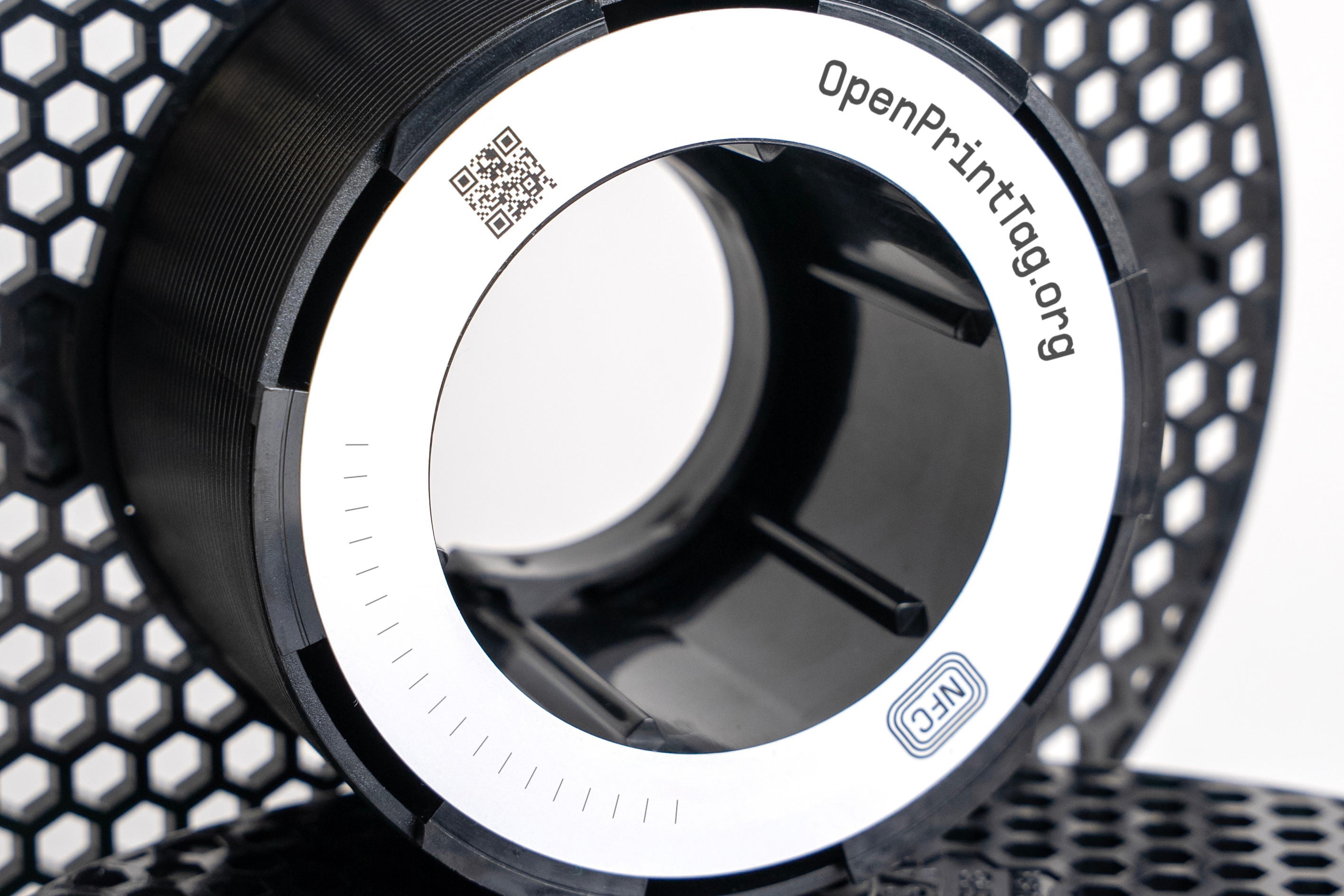
A smart spool carries all the important information about the material and its workflow, unlocking key features:
Instantly identifies the material type and color, significantly reducing user error and leading to a simpler, more reliable workflow.
Real-time data tracking, such as the amount of remaining filament, so you always know the exact status of your material.
Enables effortless inventory management and full traceability by allowing you to log custom data.
Some smart spools already exist, but they lack the core principles of universality and interoperability. It's like every brand suddenly decided to use a different filament diameter.
Smart spools are often locked to their specific hardware and filament. This makes them unusable with any third-party machines, forcing users into a closed ecosystem.
Many smart spools just refer to an online database, forcing you to rely on the manufacturer's cloud service. No internet? Your "smart" spool becomes dumb.
Current Smart Spools offer little to zero reusability. This read-only design prevents any updates to live data, and once the filament is depleted, you have no choice but to throw the 'smart' spool away.
Malaysian school life builds strong, adaptable individuals. The balance of academic rigor, strict discipline, and vibrant multicultural interaction prepares students well for the globalized world. It remains a memorable and defining experience for everyone who goes through it. To help me tailor this article further, tell me:
The Malaysian Certificate of Education. Taken at the end of Form 5, this high-stakes exam determines university and scholarship eligibility. A Day in the Life of a Malaysian Student
White baju kurung (traditional long tunic) with a turquoise or navy blue maxi skirt, or a classic pinafore dress. Muslim girls wear a plain white hijab (tudung). The Role of Prefects (Pengawas) Budak Sekolah Tunjuk Burit
White shirts paired with navy blue short trousers (primary) or olive green long trousers (secondary).
Offering curricula like Cambridge (IGCSE) or the International Baccalaureate (IB), these schools typically emphasize student-centered learning and possess more specialized facilities, though they require tuition fees. A Typical Day in Malaysian School Life Malaysian school life builds strong, adaptable individuals
Compulsory by law since 2003. Students progress from Standard 1 to Standard 6.
Malaysian school life balances academic rigor, strict discipline, and rich cultural interactions. From singing the Negaraku in the morning heat to sharing curry puffs at the canteen, the school experience creates lifelong bonds and shapes the unique identity of every Malaysian citizen. To help tailor this information further, please tell me: To help me tailor this article further, tell
Uniforms are strictly enforced, serving as a great equalizer. Boys wear dark green trousers and white shirts; girls wear turquoise pinafores (baju kurung) or skirts and blouses. Physical appearance is heavily policed: hair must be short and neatly styled for boys, while girls' hair must be tied back, and the wearing of the tudung (headscarf) is optional but prevalent among Muslim students. "Spot checks" for contraband (mobile phones, dyed hair, nail polish) are routine.

Instantly read or write in any orientation. This eliminates the need to rotate the spool to find the "correct" position.

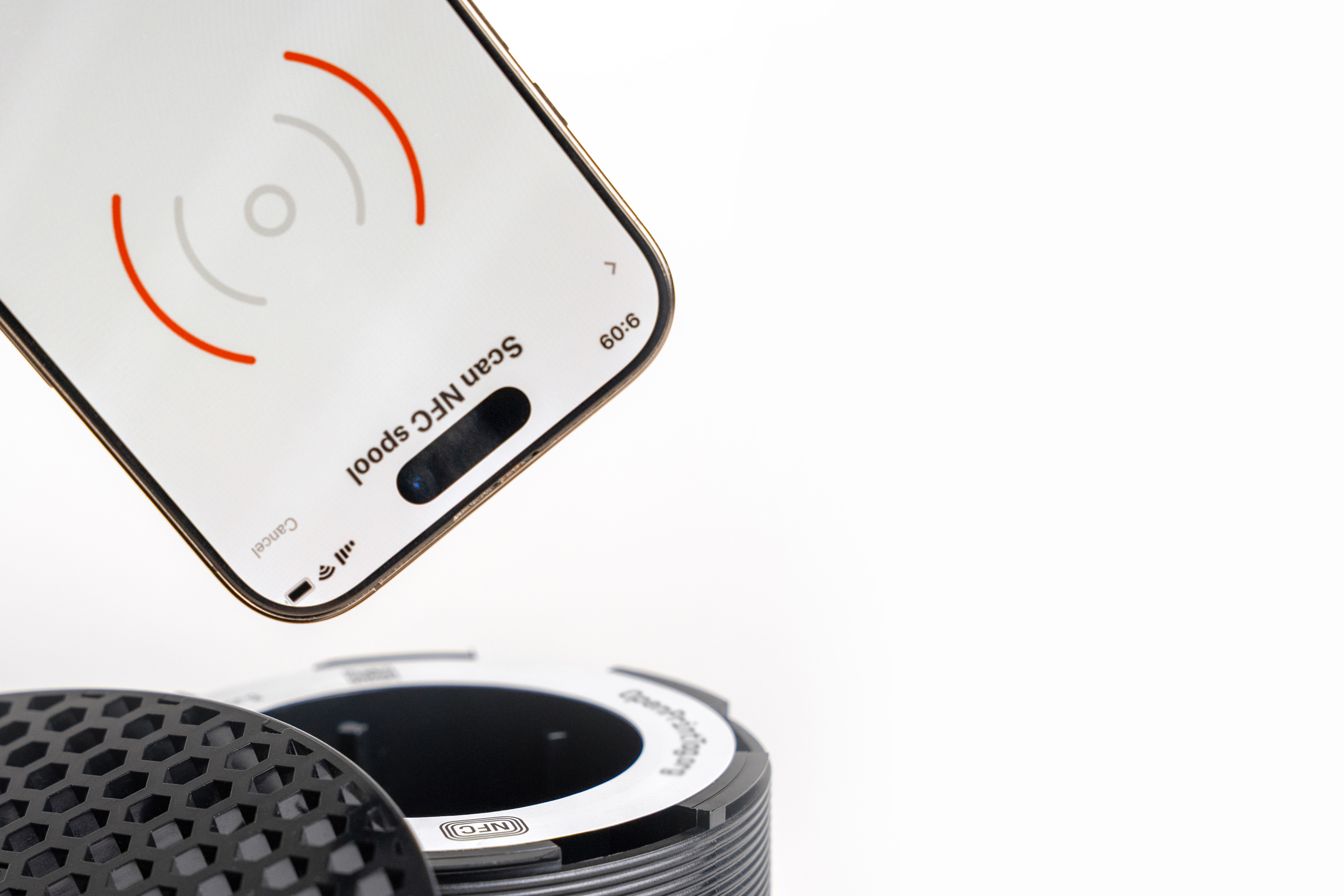
Stick a blank tag on any filament spool you own, flash it using your printer or a phone app, and simply re-use it once the spool is empty.
A single tag works even for 2kg spools, ensuring live data is always perfectly in sync. Two-tag designs cannot guarantee this.
A 3D printer or any compatible device instantly reads all data the moment the spool is loaded.
Instantly read or write in any orientation. This eliminates the need to rotate the spool to find the "correct" position.
Stick a blank tag on any filament spool you own, flash it using your printer or a phone app, and simply re-use it once the spool is empty.
A single tag works even for 2kg spools, ensuring live data is always perfectly in sync. Two-tag designs cannot guarantee this.
A 3D printer or any compatible device instantly reads all data the moment the spool is loaded.
Whether you're a manufacturer, developer, or 3D printing enthusiast, OpenPrintTag makes your workflow smarter.
Complete data format and protocol specification for NFC tag implementation
Create and decode OpenPrintTag NFC data for your materials
Physical implementation guidelines and hardware requirements
Want to integrate OpenPrintTag or become a partner?
Get in touch at [email protected]
Explore the specification, examples, and SDKs to integrate OpenPrintTag into your projects.
Download logos, images, and media files for OpenPrintTag