+7 967 0509463
 0
0 sales@prdisk.ru


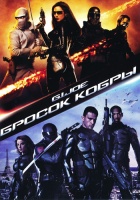
Бросок кобры
Добро пожаловать! Для просмотра своих заказов, скидок и отзывов войдите в личный кабинет или зарегистрируйтесь.
|
The financial foundation of popular media relies heavily on two primary structures. The subscription video-on-demand (SVOD) model prioritizes subscriber retention through exclusive, high-value intellectual property. Conversely, the ad-supported video-on-demand (AVOD) and social media models prioritize sheer volume and watch time, monetizing user attention directly through targeted advertising. The Creator Economy
: The delivery vehicles—such as television, film, radio, social platforms, and digital streaming networks—that broadcast this content to a mass audience. According to the Los Angeles Film School Library Guide , the broader industry legally and commercially binds fields like theater, film, literary publishing, music, and digital broadcasting under this monolithic umbrella.
Popular media and entertainment content do more than just distract us. They dictate how we dress, how we speak, and how we view the world around us. From the printing press to TikTok feeds, the stories we collectively consume have always built the framework of human culture. Today, we live in an era of hyper-saturated media. Understanding the dynamics of modern entertainment content is no longer just for media scholars—it is essential for anyone navigating the modern world. 1. The Evolution of Popular Media
The most profound shift in is not the content itself—it is the curator. The human gatekeeper (the radio DJ, the studio executive, the newspaper critic) has been replaced by the algorithm.
Popular media is no longer just a reflection of society; it is the environment in which modern society lives. As the boundaries between creation, distribution, and consumption continue to blur, the ability to critically evaluate and navigate this ecosystem will remain a vital digital literacy skill.
Looking ahead, the next frontier for is generative AI. We are already seeing AI used to write scripts, generate background art, and clone voices. The logical endpoint is volitional entertainment —a Netflix of One.
This shift has forced mainstream media companies to adapt. Hollywood studios frequently scout talent from internet platforms, and traditional marketing budgets have pivoted heavily toward influencer partnerships, blurring the lines between consumer, creator, and advertiser. Technological Drivers: Streaming, AI, and Immersive Media
Entertainment content and popular media play a vital role in shaping our culture and society. The rise of digital technology has transformed the entertainment industry, offering new platforms and opportunities for creators and audiences alike. As the industry continues to evolve, it's essential to consider the impact of entertainment content on society and promote diverse, inclusive, and responsible content creation.
The Algorithm of Culture: How Entertainment Content and Popular Media Shape Our Reality
Today, entertainment content is defined by algorithmic curation. Platforms like TikTok, Instagram, and Netflix do not just host content; they actively predict exactly what will keep your eyes on the screen. Audiences no longer share a single mainstream culture. Instead, they are fragmented into thousands of hyper-specific digital subcultures, where content is tailored to individual psychological profiles. 2. The Psychology of Media Consumption


The financial foundation of popular media relies heavily on two primary structures. The subscription video-on-demand (SVOD) model prioritizes subscriber retention through exclusive, high-value intellectual property. Conversely, the ad-supported video-on-demand (AVOD) and social media models prioritize sheer volume and watch time, monetizing user attention directly through targeted advertising. The Creator Economy
: The delivery vehicles—such as television, film, radio, social platforms, and digital streaming networks—that broadcast this content to a mass audience. According to the Los Angeles Film School Library Guide , the broader industry legally and commercially binds fields like theater, film, literary publishing, music, and digital broadcasting under this monolithic umbrella.
Popular media and entertainment content do more than just distract us. They dictate how we dress, how we speak, and how we view the world around us. From the printing press to TikTok feeds, the stories we collectively consume have always built the framework of human culture. Today, we live in an era of hyper-saturated media. Understanding the dynamics of modern entertainment content is no longer just for media scholars—it is essential for anyone navigating the modern world. 1. The Evolution of Popular Media bellesafilms200804lenapaulthecursexxx1
The most profound shift in is not the content itself—it is the curator. The human gatekeeper (the radio DJ, the studio executive, the newspaper critic) has been replaced by the algorithm.
Popular media is no longer just a reflection of society; it is the environment in which modern society lives. As the boundaries between creation, distribution, and consumption continue to blur, the ability to critically evaluate and navigate this ecosystem will remain a vital digital literacy skill. The financial foundation of popular media relies heavily
Looking ahead, the next frontier for is generative AI. We are already seeing AI used to write scripts, generate background art, and clone voices. The logical endpoint is volitional entertainment —a Netflix of One.
This shift has forced mainstream media companies to adapt. Hollywood studios frequently scout talent from internet platforms, and traditional marketing budgets have pivoted heavily toward influencer partnerships, blurring the lines between consumer, creator, and advertiser. Technological Drivers: Streaming, AI, and Immersive Media The Creator Economy : The delivery vehicles—such as
Entertainment content and popular media play a vital role in shaping our culture and society. The rise of digital technology has transformed the entertainment industry, offering new platforms and opportunities for creators and audiences alike. As the industry continues to evolve, it's essential to consider the impact of entertainment content on society and promote diverse, inclusive, and responsible content creation.
The Algorithm of Culture: How Entertainment Content and Popular Media Shape Our Reality
Today, entertainment content is defined by algorithmic curation. Platforms like TikTok, Instagram, and Netflix do not just host content; they actively predict exactly what will keep your eyes on the screen. Audiences no longer share a single mainstream culture. Instead, they are fragmented into thousands of hyper-specific digital subcultures, where content is tailored to individual psychological profiles. 2. The Psychology of Media Consumption